WAAR History
1956-1965
In 1956, a vision took root.
A group of dedicated professionals came together to form the Williamsburg Board of REALTORS®—laying the foundation for what would become a decades-long legacy of leadership, service, and progress.
With just a few hundred dollars in the treasury, early leaders like Mr. Benschoten, Owen Latham, and John Moneymaker built something lasting—guided by purpose, not profit.
The Williamsburg Board of REALTORS® was established in 1956. Key leaders over the years included Mr. Benschoten (1961), Owen Latham (1962), G.T. Brooks Jr. (1963), John Moneymaker (1964), and A.D. Strong (1965), with Rosalind Westgate consistently serving as Secretary/Treasurer during several terms.
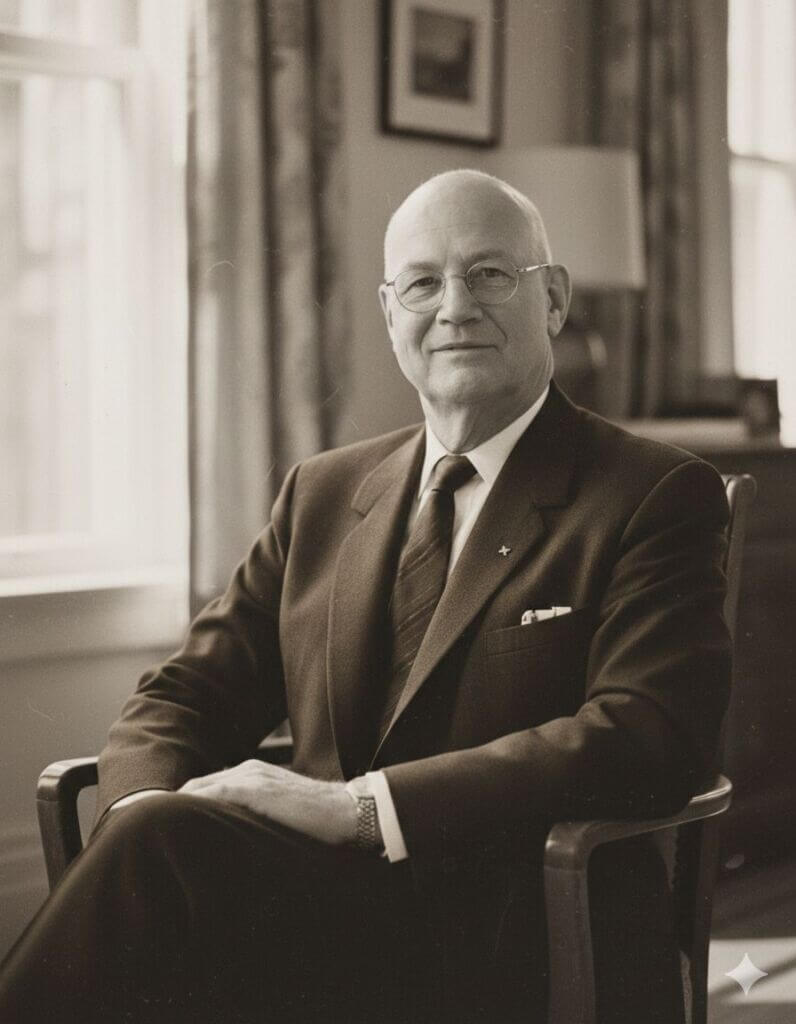
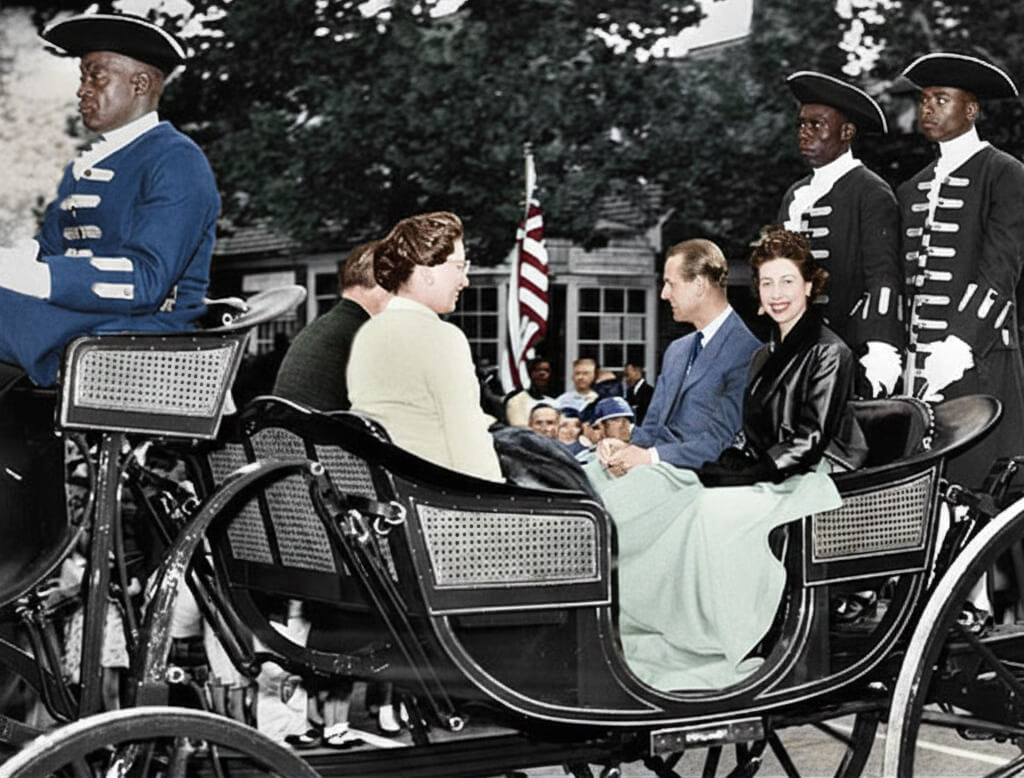
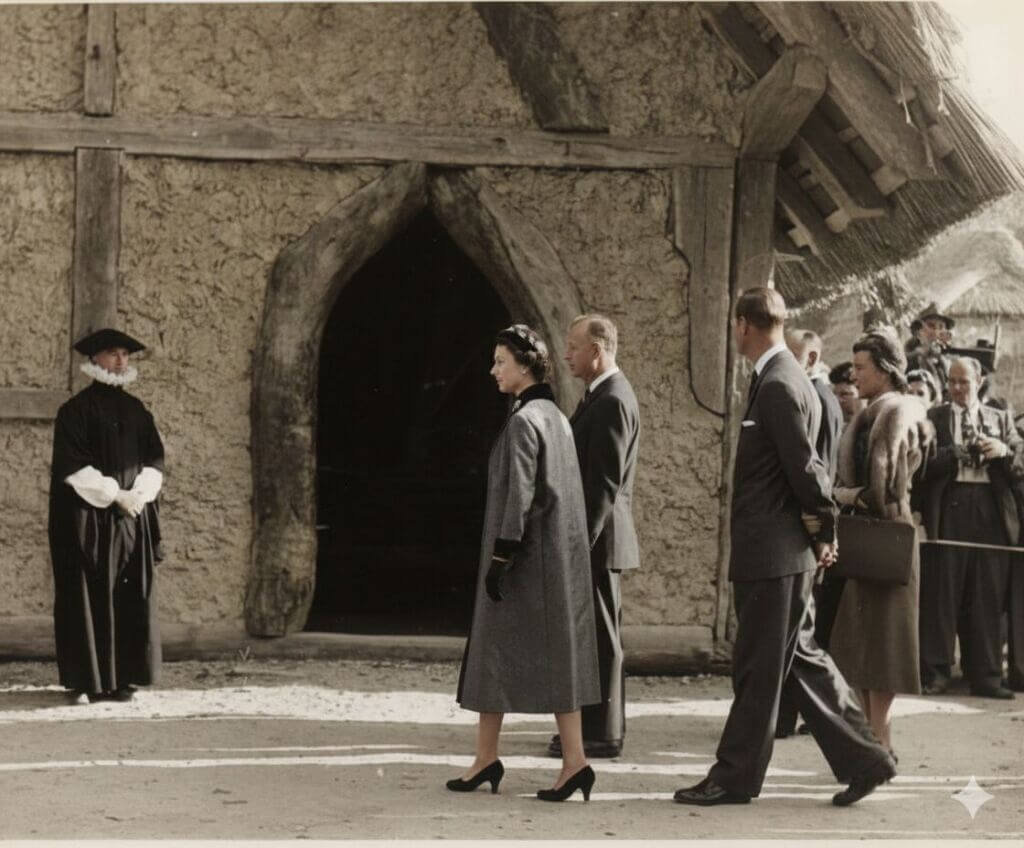
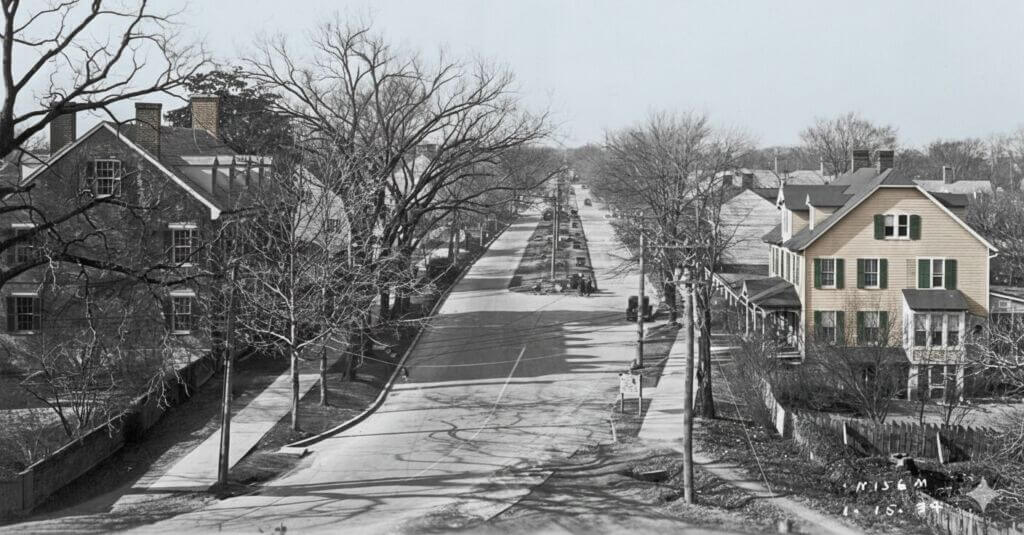
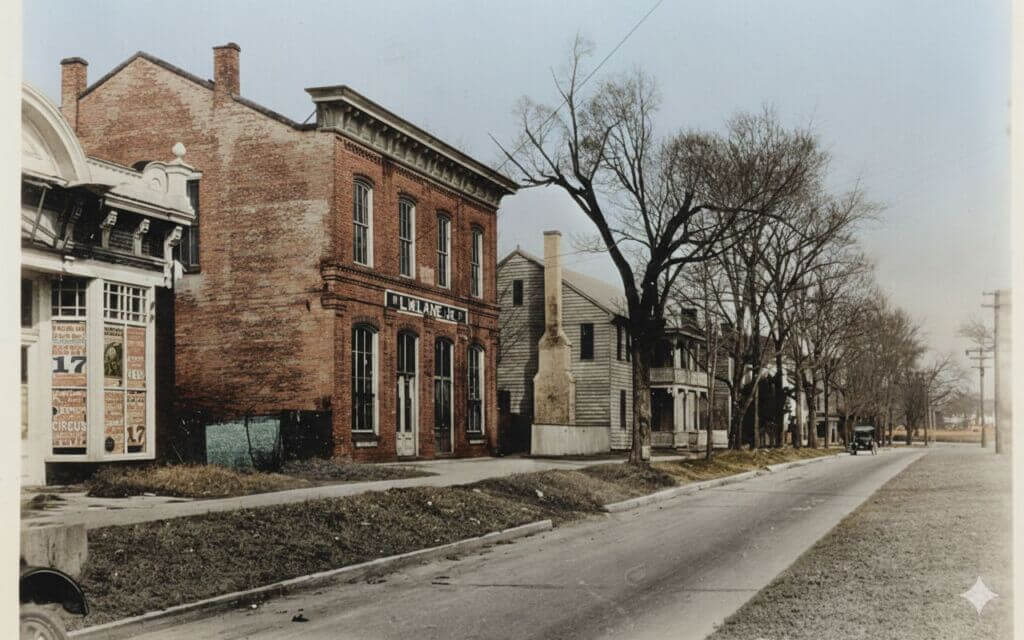
Housing Development in the Greater Williamsburg Area and the role of Williamsburg REALTORS® in the development
The period between 1956 and 1965 marked an important era of residential growth in the Greater Williamsburg area of Virginia. Following the nationwide post–World War II housing boom, Williamsburg and nearby York County experienced increasing demand for suburban-style neighborhoods as families sought larger homes, quiet settings, and convenient access to employment, education, and recreation.
Several factors fueled this growth. The continued development and tourism expansion of Colonial Williamsburg Foundation brought new jobs to the region, while the expanding enrollment and influence of the College of William & Mary attracted faculty, staff, and professionals looking for permanent housing near the historic city.
The early 1960s also brought major infrastructure changes that influenced housing patterns. The construction of Interstate 64 through the region improved regional connectivity, linking Williamsburg more efficiently with Richmond, Norfolk, and the Virginia Peninsula.
Developers began purchasing large tracts of wooded land around Williamsburg and transforming them into planned residential communities. One notable example was the creation of Queens Lake, developed beginning in the early 1950s by local real estate broker Richard C. Benschoten and his partners.
The development of Queens Lake began in 1950 when the Chesapeake Corporation decided to sell its land preserve. In 1952, local land and estate broker Richard C. Benschoten partnered with four businessmen to form the Queens Lake Development Company. Together, they purchased 636 acres for $75,000 and renamed the area “Queens Lake.”
Benschoten guided the early vision of the community as a residential neighborhood centered around shared recreational amenities. Development progressed gradually, opening sections as lots were sold. The first homes were built along the west side of the lake. A major challenge for the new neighborhood was infrastructure. Because of deep clay deposits in the region, wells had to reach over 400 feet to access potable water. The development company arranged for community wells and pump houses until municipal water became available later through agreements with the local government.
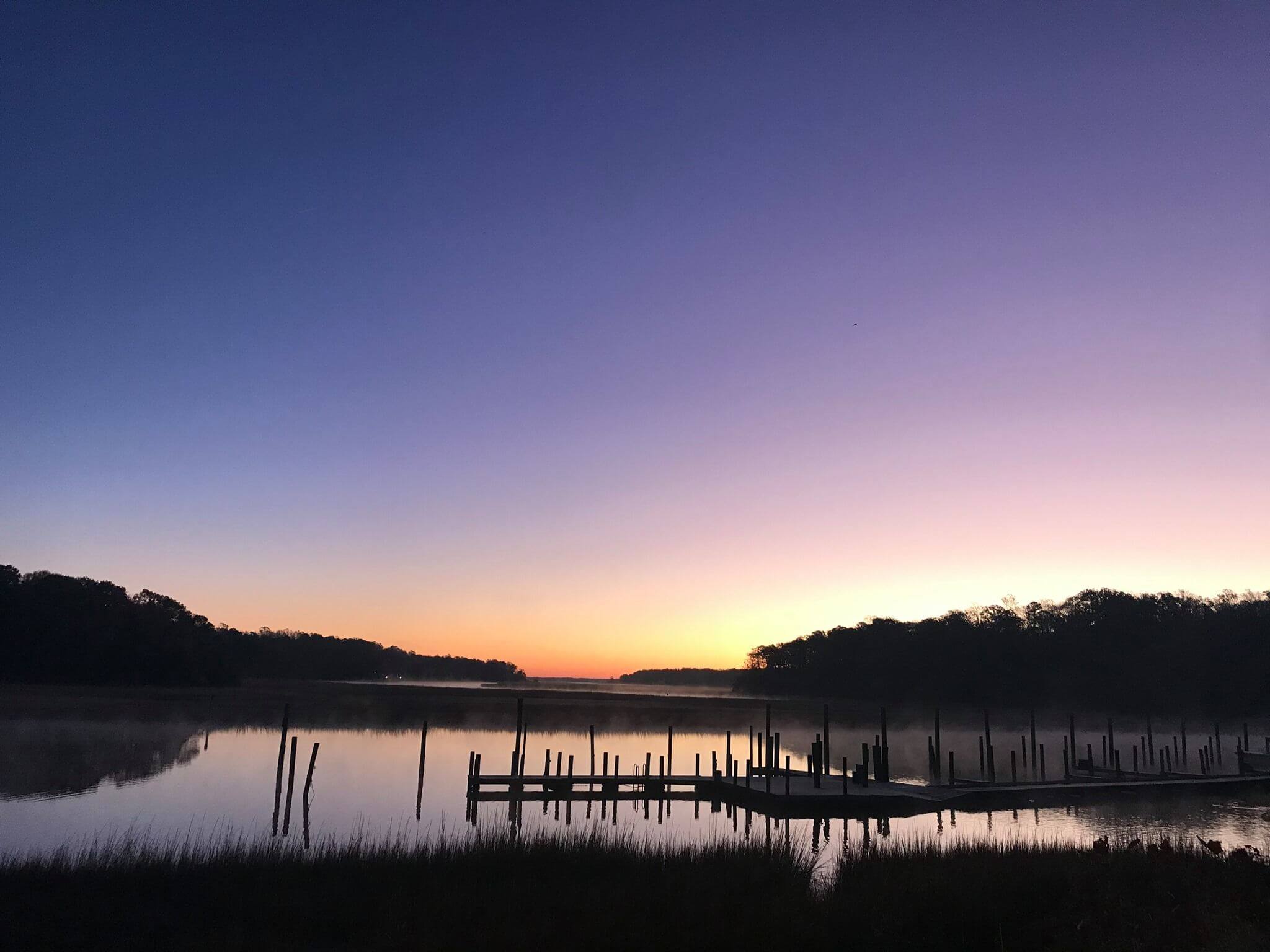

After Benschoten’s death in 1965, leadership of the development passed to his business partner J. Carter, who managed the community’s continued expansion. Carter oversaw key milestones such as purchasing additional land—including the Holloway tract—and integrating it into the neighborhood while maintaining the wooded character of Queens Lake. He also helped expand community amenities, including the construction of a second swimming pool in 1969 to accommodate the growing number of residents.
By the time the Queens Lake Development Company sold its final lot in 1985 and dissolved in 1987, the community had grown to 547 residential lots. Today, Queens Lake remains a neighborhood shaped by the foresight of its early leaders—particularly Benschoten’s original vision and Carter’s stewardship—which established a strong sense of community and shared recreational life.
J.Carter's other development projects included several notable neighborhoods and ventures in the Historic Triangle area:
-
Queens Lake subdivision in York County
-
Chanco Woods on Route 5
-
Cardinal Acres near Jamestown
-
Turner’s Neck subdivision in New Kent County
-
Longhill Gate townhouse development
These projects helped accommodate the growing population moving to Williamsburg during the tourism expansion of the Colonial Williamsburg Foundation and the growth of the College of William & Mary.
1966-1975
From 1966 to 1975, the Williamsburg Board of REALTORS® experienced organizational growth and policy development. Leadership rotated annually with Wilbur Anderson, William J. Bull, Elizabeth W. Matthews, Don Leftwich, John Moneymaker, James D. Carter III, Ed Parker, Tommy Smith, Larry McCardle, and Bill Bull serving as presidents.
Key milestones included:
1976-1985
From 1976 to 1985, the Williamsburg Board of REALTORS® (WBR) expanded its operations, professional development, and community involvement. A significant milestone in 1976 was the formation of the Women’s Council of REALTORS®, a key move toward inclusivity as an official arm of NAR, VAR, and WBR. Key developments included:
1986-1995
This decade marked transformation in technology, leadership, and community engagement.
In 1986, discussions began on computerizing the MLS system, which launched in 1987, the same year WBR won the Make America Better Award and initiated its first community revitalization project. The Lifetime Achievement Award was introduced, and the organization consistently honored top REALTORS® annually.
1996-2005
Between 1996 and 2005, the Williamsburg Area Association of REALTORS® (WAAR) experienced significant growth and modernization. We moved into a new executive office, expanded staff, and adopted new technologies including email, a computerized membership system, and internet services. WAAR launched its first website and logo, established programs like the Affiliate Partnership and 401K benefit, and transitioned its MLS systems multiple times. The organization also hosted its first annual golf tournament and moved toward owning its office building.
2006-2015
Between 2006 and 2015, WAAR advanced its technology, member services, and organizational infrastructure. We implemented our first online membership survey, updated lockbox systems, launched new website, and introduced an online member portal. WAAR held its first annual tradeshow, met NAR Core Standards requirements, and completed the purchase of its executive office building, paying off all loans. The organization also enhanced its branding and communication capabilities with updated logos and video conferencing technology.
2016-2025
Williamsburg REALTORS® experienced transformative growth and innovation. After Linda Kingsman’s retirement, Cindy Homewood advanced the organization’s technology, branding, and financial stability. The association rebranded from WAAR to Williamsburg REALTORS®, and the Williamsburg Real Estate School became a key membership benefit. During COVID-19, thanks to RPAC efforts, REALTORS® were recognized as essential workers, leading to a booming market and increased membership. In 2023, Charlie Willits became CEO, enhancing internal processes and branding efforts.
Major milestones included data-sharing initiatives with neighboring MLSs and a 2024 contract with Bright MLS. From 2022–2024, the association raised $110,000 for Robinson family in partnership with Habitat for Humanity. Thanks to the Community Engagement Committee hard work, we organized events like the Broker Competition, the Wheelbarrow of Summer Fun, the Raising the Roof 5K and the Fall Yard Sale and Bazaar. In 2024 WMLS saw significant tech upgrades, including a lockbox exchange under Jim Mellen’s leadership, and Darragh Cutshaw’s hard work.